Economical Window Replacement Offerings to Maximize Energy Efficiency
Affordable window installation services play an vital role in enhancing a home’s energy efficiency. Homeowners often face rising energy bills, prompting the need for practical solutions. Energy-efficient windows, with features like Low-E coatings, can make a notable difference. However, understanding the options available and the possible expenses involved is important. Exploring these factors can lead to not only immediate savings but also long-term benefits for both the home and its value. What steps should homeowners take next?
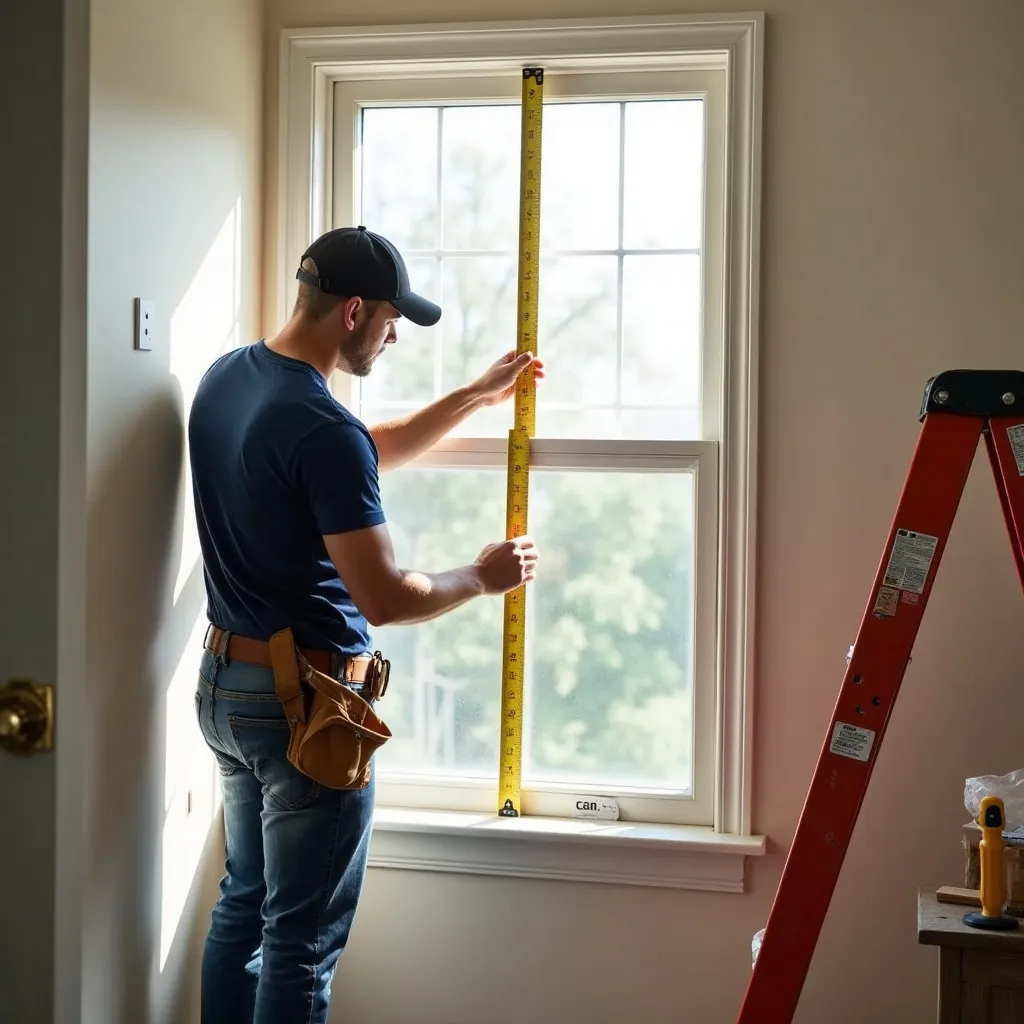
Learning About the Perks of Replacing Your Windows for Better Energy Savings
Although homeowners often neglect it, upgrading old windows can significantly boost energy performance. Older windows may permit drafts and heat loss, resulting in higher energy bills. By investing in new windows, homeowners can substantially cut energy consumption, thereby reducing expenses. Modern window styles incorporate cutting-edge systems that reduce air leakage and enhance thermal protection.
This not only helps create a more comfortable home environment but also decreases the reliance on heating and cooling systems. Additionally, energy-efficient windows often come with capabilities that block damaging UV radiation, protecting interiors from fading. Homeowners may also take advantage of possible tax incentives or rebates for upgrading to efficient window solutions. Ultimately, window replacement functions as a strategic investment, producing sustained savings while enhancing the total value of the property. As energy efficiency becomes increasingly important, the decision to replace old windows becomes a practical choice for many homeowners.
Essential Characteristics of Energy-Efficient Windows
Energy-efficient windows are marked by several critical elements that optimize their performance. Among the primary aspects is multi-layered glass, which contains two or three panes of glass divided by gas-filled chambers, providing excellent insulative properties. Low-emissivity layers are yet another notable feature, reflecting heat into the space while facilitating daylight to enter. This lowers energy depletion and facilitates regulating indoor temperatures.
Furthermore, energy-efficient windows frequently include thermal barriers constructed from materials like vinyl or fiberglass, which yield enhanced thermal resistance relative to traditional wooden frames. Weather-sealed edges and weather stripping further reduce air leakage, boosting the window's overall energy performance. Finally, a high energy performance rating, such as ENERGY STAR certification, shows that windows adhere to strict energy efficiency guidelines. These features combine to result in lower utility bills and enhanced comfort within the home.
Locating Reasonably-Priced Window Replacement Services
Locating reasonable window installation services can be a complex task for homeowners aiming to increase energy efficiency without draining savings. To navigate this process, homeowners should start by exploring local professionals who focus on window replacement. Online testimonials and scores can provide valuable insights into the quality of service offered.
Furthermore, obtaining multiple quotes is important; this permits homeowners to assess prices and services. Many companies also provide financing options, which can minimize the upfront costs connected with window replacement.
Homeowners may also seek out special offers and deals, as many service providers offer special deals during particular seasons. Finally, consulting local energy efficiency programs can provide recommendations for affordable services and potential refunds, further lowering expenses. By adhering to this process, homeowners can find cost-effective window replacement options that enhance their home's energy performance.
Expense Breakdown: Windows vs. Energy Bills
When examining window replacement, it is crucial to assess the costs linked to various window types alongside potential energy savings. Investing in energy-efficient windows can result in significant reductions in monthly energy bills over time. This comparison helps homeowners comprehend the ongoing financial benefits of their choices.
Window Types And Associated Expenses
Selecting the right window type can significantly affect both initial costs and long-term energy savings. Different window materials and styles come with varying price points, influencing the overall budget for replacement. For instance, vinyl windows tend to be the most economical option, while wood and fiberglass windows typically incur higher costs due to material quality and aesthetic appeal. Single-pane windows are cheaper upfront but offer less insulation compared to double or triple-pane options, which can considerably elevate expenses. Homeowners should also take into account installation costs, which can vary based on window type and local labor rates. Ultimately, comprehending the cost implications of each window type is essential for making an well-considered choice that balances budget and efficiency.
Sustained Energy Cost Efficiency
Allocating funds to efficient windows can bring about large long-term savings on energy bills because these windows are designed to minimize heat loss and gain. Over time, the decrease in heating and cooling expenses can cover the upfront cost of window replacement. For example, homeowners might observe a decline in energy bills of 10-25% after installing high-performance windows. This equates to substantial yearly savings, especially in areas with intense climate. Moreover, energy-efficient windows often qualify for tax credits and rebates, additionally improving their affordability. By evaluating the upfront expenses of window installation against the long-term energy savings, homeowners can make educated decisions that support both their financial and environmental goals.
Useful Advice on Identifying Energy-Efficient Rebates for Windows
Finding energy efficiency discounts for replacing windows can greatly reduce costs. Property owners should research regional rebate initiatives and look for available national tax deductions. Additionally, reviewing energy provider incentives can discover further savings opportunities.
Uncover Local Promotional Programs
How can dwellers boost their monetary benefits when swapping out windows? One effective tactic entails studying local motivation programs. Many municipalities and energy service companies offer incentives or economic aid for efficient window replacements. Dwellers should begin by touring their local administration's website or contacting directly energy efficiency organizations. These references often impart information on available programs, eligibility requirements, and application processes.
Additionally, homeowners can speak to window replacement contractors who may be knowledgeable about local incentives. Connecting with local community groups or social media platforms can also yield valuable insights into available programs. By making the effort to explore these options, property owners can significantly lower their out-of-pocket expenses while enhancing the energy efficiency of their homes.
Review Federal Tax Credits
What opportunities exist for homeowners seeking to capitalize on federal tax credits for energy-efficient windows? Homeowners can explore the federal tax credit programs that promote the installation of ENERGY STAR-certified windows. These tax credits can significantly lower the overall cost of window replacement, making energy-efficient choices more affordable. To qualify, homeowners should verify that the windows satisfy specific energy performance criteria specified by the Internal Revenue Service (IRS). Additionally, they should keep receipts and manufacturer certifications to find out more verify eligibility when submitting tax returns. Remaining knowledgeable about changes in federal tax legislation is essential, as these programs can change. Speaking to a tax professional can provide clarity and maximize potential savings connected with these federal incentives.
Consult Utility Company Offers
Homeowners aiming to boost energy performance via window replacement should explore consulting their utility companies for available rebates. Many utility providers give incentives to encourage energy-efficient upgrades, which can greatly cut upfront costs. To locate available programs, homeowners should browse their utility company’s website or contact their customer service department. It is crucial to request information specifically about window replacement rebates, as eligibility requirements and amounts may vary. Additionally, homeowners should confirm that the replacement windows meet the energy efficiency standards set by the utility provider. By using these offers, homeowners can not only lower their energy bills but also support a more sustainable environment. This proactive approach can provide substantial long-term savings.
Is DIY Window Installation right for You, or should you call a Pro?
When assessing window installation, the decision between a do-it-yourself method and hiring a professional can significantly affect both results and costs. For the DIY enthusiast, the allure of saving money can be attractive. However, this method demands a thorough knowledge of tools, construction regulations, and proper installation techniques. Errors can result in increased energy costs and additional costs due to possible harm.
Furthermore, contracting with an expert provides advanced expertise and superior workmanship. Specialists come equipped with the important resources and background experience to achieve a flawless setup, which can ultimately maximize power efficiency. They usually offer warranties, granting an extra level of confidence for homeowners.
Ultimately, the determination should acknowledge the person's capabilities, budget, and the complexity of the installation. Weighing these variables will aid in pinpointing the best strategy to attain the best results while maintaining cost-effectiveness.
Long-Term Savings: Calculating the Return on Investment of New Windows
Choosing new windows can markedly shape a home's energy efficiency and comprehensive value. Homeowners commonly seek to understand the lasting economies associated with this investment. Efficient windows, created to minimize heat loss and gain, can point in significant reductions in heating and cooling costs.
To calculate the ROI, one must first assess the starting expenses of window replacement against the expected energy conservation over time. Industry estimates suggest that energy-efficient windows can reduce energy expenses by 10% to 25%. Additionally, some areas provide tax incentives and rebates that can further boost savings.
Property owners must also account for the enhancement in property value, as sustainable upgrades often attract interested buyers. Ultimately, while the initial costs may seem challenging, the long-term rewards of reduced energy expenses and boosted property value can make new windows a sensible decision.
Often Asked Questions
How Extended Do Energy-Saving Windows Generally Last?
Energy-efficient windows tend to last between 20 to 30 years, influenced by aspects including grade, fitting, maintenance, and environmental conditions. Regular maintenance can significantly extend their longevity and performance over time.
What Are Frequent Clues That Windows Should Be Replaced?
Signs that suggest windows require replacement consist of noticeable air leaks, moisture between glass layers, trouble opening or closing, deteriorated frames, and rising energy expenses. These signals reveal reduced efficiency and potential structural concerns requiring swift intervention.
Can Window Replacement Be Done in Winter?
Yes, window replacement can be finished in winter. Expert contractors utilize weather-resistant techniques to minimize heat loss, maintaining efficient installation despite cold conditions. Homeowners can gain improved energy efficiency without noteworthy delays during the colder months.
Do financing choices exist for window replacement services?
Window replacement services offer multiple payment solutions, such as affordable loans, installment options, and credit programs. Homeowners can explore these options to manage expenses effectively while enhancing their property's energy efficiency and visual appeal.
How Do I Choose the Right Window Style for My Home?
Deciding on the best window style calls for giving consideration to the home's architectural design, energy efficiency, and personal preferences. Examining various styles, consulting professionals, and evaluating factors like climate can help ensure a suitable and aesthetically pleasing choice.